
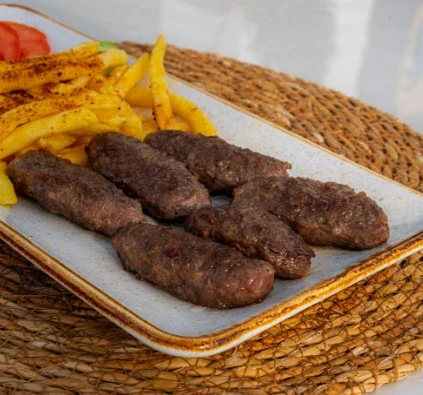
Does Resting Meatball Mixture Improve the Flavor?
Resting meatball mixture in the refrigerator helps the ingredients meld, makes shaping easier, and supports a more even texture during cooking.
Quick Answer
Resting meatball mixture in the refrigerator for at least 30 minutes helps the seasoning and onion flavor spread more evenly, allows bread or breadcrumbs to absorb moisture, and makes the mixture easier to shape. In a home kitchen, 30–60 minutes is enough for most meatballs; a longer rest is best only when the freshness of the ground meat and the cold chain can be maintained.
In This Guide
Key Reasons
Salt and kneading can help the meat proteins bind together, making the mixture easier to shape. However, do not knead the mixture longer than necessary to increase this effect; overkneading can make the meatballs firm and rubbery.
- 30 minutes: This is a practical minimum for helping the mixture come together and making it easier to shape.
- 30–60 minutes: This range gives balanced results for everyday homemade meatballs.
- Longer resting: Keep the mixture covered and refrigerate it at 0–4 °C.
Proper Application
- Combine the ground meat, onion, seasoning, and, if using, bread or breadcrumbs in measured amounts.
- Knead the mixture only until it comes together and is evenly combined; do not press and compact it for a long time.
- Cover the bowl or cover the surface of the mixture so no air can reach it.
- Rest it in the refrigerator at 0–4 °C for at least 30 minutes, preferably 30–60 minutes.
- Before shaping, check that the mixture is cold and firm but not hard as a rock.
- Shape the meatballs to an even thickness and cook them in a preheated skillet or on a grill.
Common Mistakes
Resting the mixture at room temperature
Why it causes problems: The raw ground meat moves outside the safe temperature range, increasing the food-safety risk.
Correct use: Rest the mixture covered in the refrigerator at 0–4 °C.
Kneading the mixture for too long instead of resting it
Why it causes problems: The meat proteins can become overly tight, giving the cooked meatballs a firm, rubbery texture.
Correct use: Knead the mixture only until it comes together, then develop its texture through resting.
Adding very watery onion directly to the mixture
Why it causes problems: Excess free liquid loosens the mixture, makes shaping harder, and can cause it to fall apart in the skillet.
Correct use: Gently squeeze out excess liquid from very watery grated onion, or adjust the amount of binding ingredient carefully.
Mayana's Recommendation
If you plan to cook the meatballs in the evening, aim for a 30–60-minute cold rest rather than preparing the mixture in the afternoon. This time helps the mixture come together and avoids leaving fresh ground meat to rest unnecessarily long.
- If the mixture is still sticky while you shape it, lightly dampen your hands with water; do not upset the balance by continually adding flour or breadcrumbs.
- Rather than leaving the meatballs on the counter for 5–10 minutes just before cooking, shape them directly from the cold mixture to reduce melting of the fat.
Additional Information
Resting alone does not make meatballs tender. The fat content of the ground meat, the onion's moisture, the amount of binding ingredient, kneading time, and cooking level also affect the result. Because the mixture contains raw egg or ground meat, base any plan for a long rest on the freshness of the ingredients.
Frequently Asked Questions
How long should meatball mixture rest?
For homemade meatball mixture, at least 30 minutes in the refrigerator is a practical minimum. A 30–60-minute rest is enough for most recipes.
Can meatball mixture be prepared the night before?
It can be prepared if the ground meat is very fresh and the mixture is covered and kept at 0–4 °C; however, using it the same day is a more controlled approach than leaving it to rest unnecessarily long.
Why is rested meatball mixture easier to shape?
Binding ingredients absorb moisture, the ingredients distribute more evenly, and the mixture cools and firms up. This can reduce sticking and falling apart.
Other Kitchen Tips in the Mayana Tips Category
Access the other explanations, tips, and practical information published in the Mayana Tips section from a single screen.