
COOKING GUIDE
Why Is My Panettone Brown on Top but Raw in the Middle?
Learn why panettone develops a dark dome before its center is baked, and how to correct oven heat, protect the crust, and…
Read guide
Methods, temperatures and techniques that make everyday cooking more reliable.
Learn why panettone develops a dark dome before its center is baked, and how to correct oven heat, protect the crust, and…
Read guide
Understand why folded Parker House rolls spring open during baking and how to control shaping, butter, proofing and pan placement without losing…
Read guide
A preheated metal or cast-iron pan with boiling water creates early steam that helps bread expand and develop a glossy, crisp crust.
Read guide
Crispy fries start with high-starch potatoes, thorough drying, and two-stage frying for a crisp exterior and soft center.
Read guide
Cool bread completely, portion it for everyday use, and double-wrap it airtight to preserve its quality in the freezer for up to…
Read guide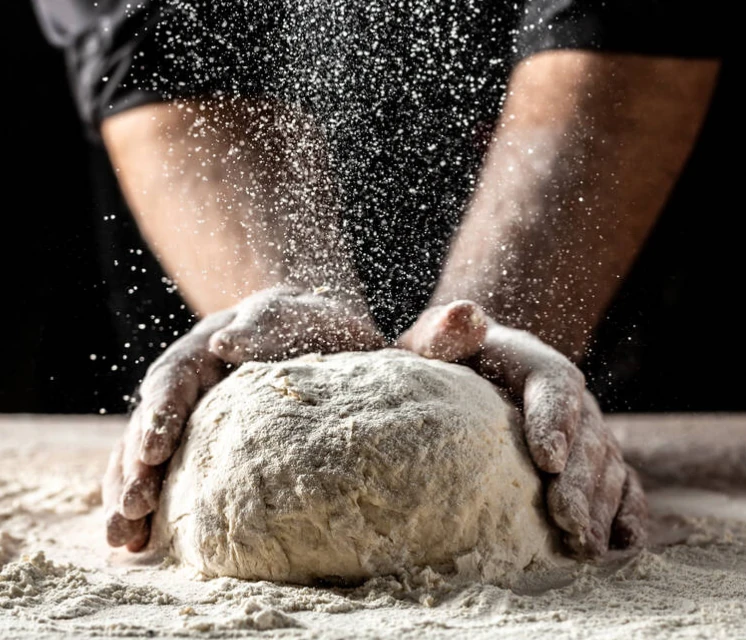
Knead dough with a rest-and-fold technique, then use its smooth, elastic texture and windowpane test to judge gluten development.
Read guide
Meat tenderness depends on the cut: slice against the grain, salt, pound gently, marinate carefully, or cook connective-tissue-rich cuts slowly over low…
Read guide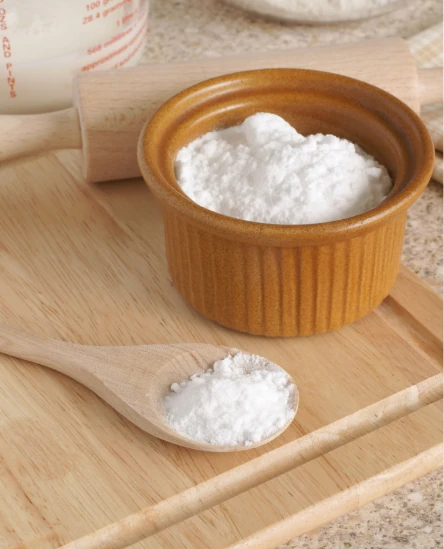
Baking soda and baking powder both help dough rise, but their acid requirements, strength, and effects on flavor and texture differ.
Read guide
Freshly cooked food stays more flavorful in the freezer when cooled quickly, portioned into small servings, and packed with minimal air.
Read guide
Poğaça made with neutral oil instead of butter stays softer at room temperature, while a measured substitution helps preserve the dough’s balance…
Read guide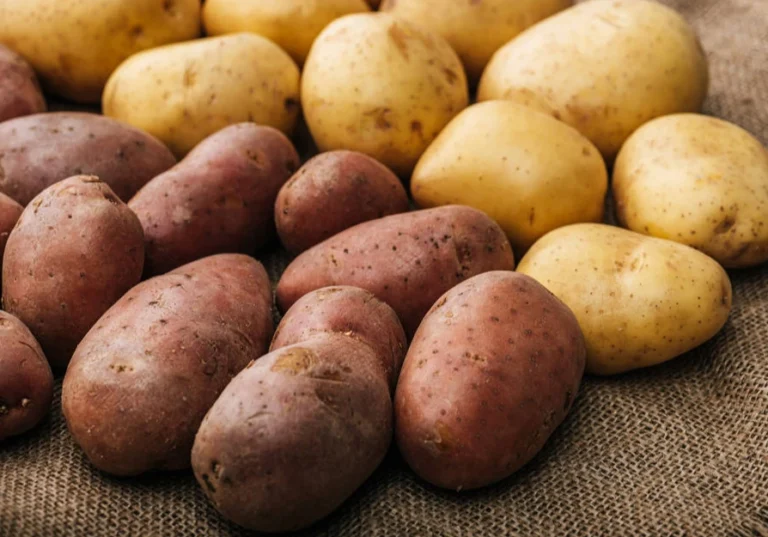
Store raw potatoes unwashed in a cool, dark, well-ventilated place, away from heat, light, moisture, onions, and strong-smelling foods.
Read guide
Overly salty food is balanced by diluting the salt with unsalted liquid or ingredients, while acid, cream, or yogurt can soften the…
Read guide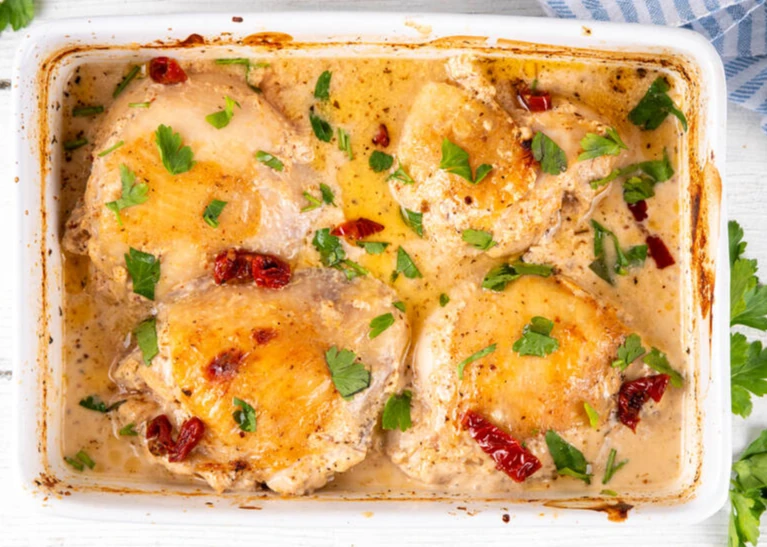
Cooked chicken generally keeps for 3–4 days in a refrigerator at 4 °C or below when cooled and stored promptly.
Read guide
Fresh fish, a dry surface, enclosed cooking methods, and early ventilation help limit fish odor while cooking.
Read guide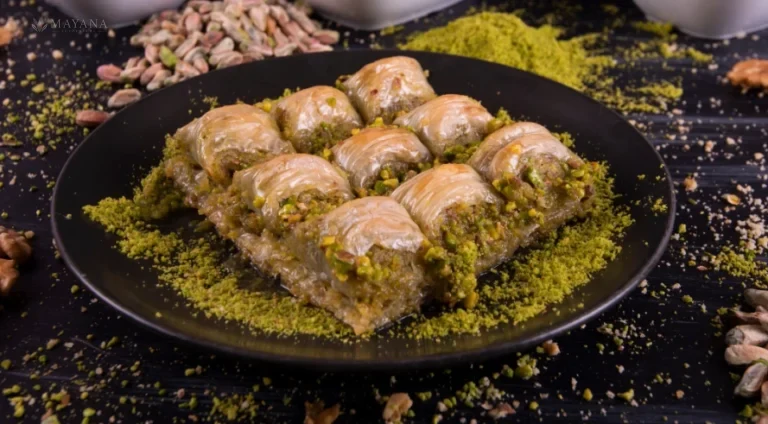
Baklava, kadayıf and similar syrup-soaked pastries stay crisp when fully baked, finished with properly balanced syrup, and left uncovered so steam can…
Read guide
Thin, crisp lahmacun starts with a soft, rested dough, a lightly spread topping, and a thoroughly preheated stone, steel, or heavy metal…
Read guide
Juicy, browned chicken starts with even thickness, a properly heated oven, careful temperature checks, and a short rest before cutting.
Read guide
A deep golden crust comes from a well-heated oven, steam during the first 15–20 minutes, dry heat afterward, and uncovered cooling on…
Read guide
Thin, even phyllo layers, balanced clarified butter, gentle layering and thorough baking create baklava with distinct, crisp layers.
Read guide
Compare how flour, finely to medium-ground cornmeal, and breadcrumbs affect the texture, thickness, and crispness of fried fish coatings.
Read guide