
COOKING GUIDE
Why Is My Panettone Brown on Top but Raw in the Middle?
Learn why panettone develops a dark dome before its center is baked, and how to correct oven heat, protect the crust, and…
Read guide
Clear answers for the moments when a recipe goes wrong.
Learn why panettone develops a dark dome before its center is baked, and how to correct oven heat, protect the crust, and…
Read guide
Understand why folded Parker House rolls spring open during baking and how to control shaping, butter, proofing and pan placement without losing…
Read guide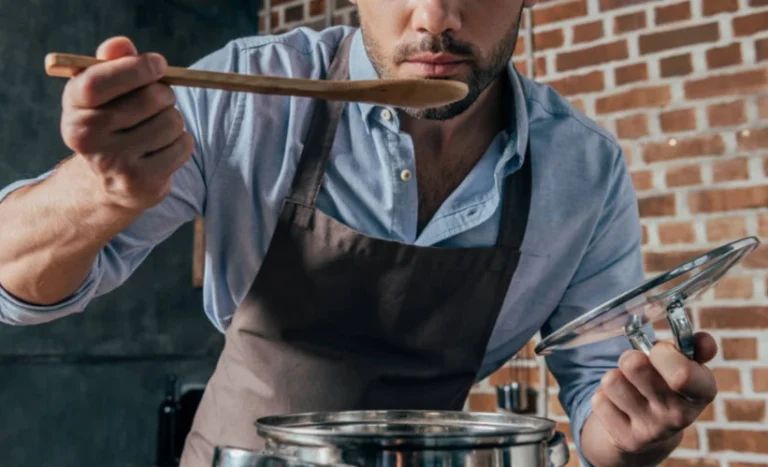
Overly salty food is balanced by diluting the salt with unsalted liquid or ingredients, while acid, cream, or yogurt can soften the…
Read guide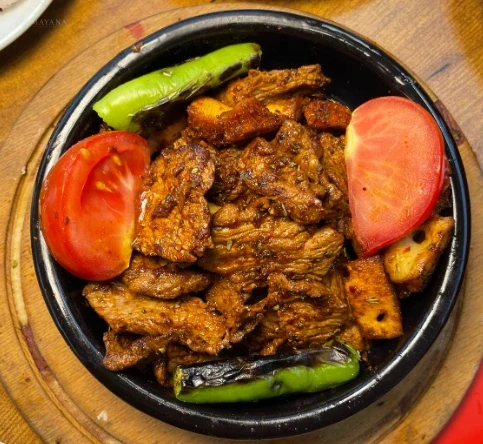
Tender beef starts with the right cut: cook naturally tender pieces quickly, while collagen-rich cuts become soft with low, moist, slow cooking.
Read guide
Golden-brown eggplant slices stay less greasy when thoroughly dried, fried at 175–180 °C in small batches, and removed as soon as tender.
Read guide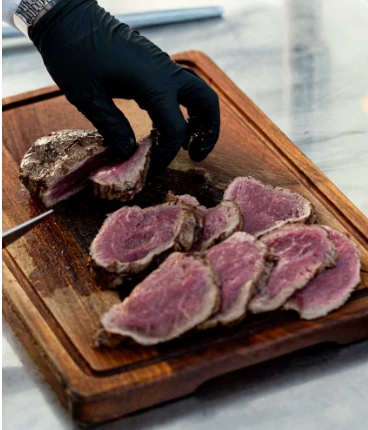
Resting cooked meat helps balance its internal temperature, manage carryover cooking, and improve slicing, with shorter times for steaks and longer times…
Read guide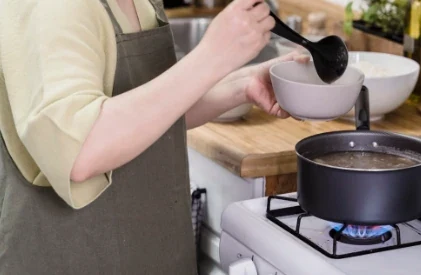
Smoothly whisked yogurt, egg, and flour are gradually tempered with hot soup before being stirred in to help prevent curdling.
Read guide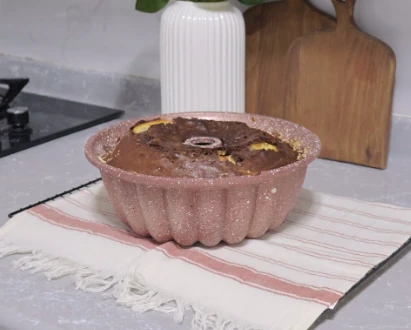
A sunken cake can result from too much leavening, high oven heat, an underbaked center, opening the oven early, or inaccurate measurements.
Read guide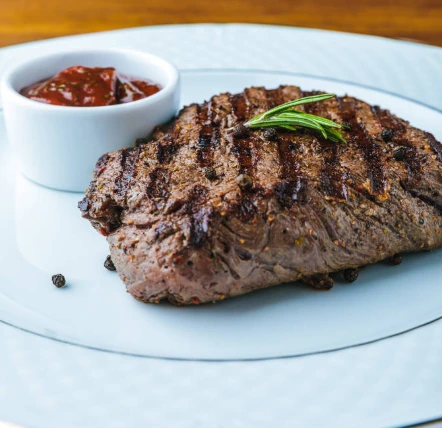
Meat can toughen when tender cuts lose moisture from overcooking or collagen-rich cuts lack the time and moisture needed to soften.
Read guide
A doughy bread center can result from underbaking, excessive heat, too much water, incomplete fermentation, a thick loaf, or slicing before the…
Read guide
Separate, fluffy rice depends on the right water ratio, thorough rinsing, minimal stirring, and a short rest before serving.
Read guide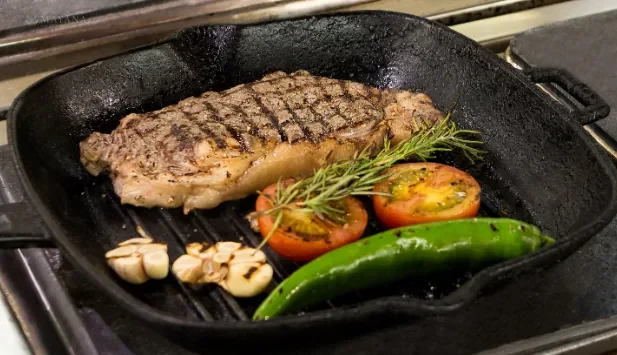
Searing meat in batches keeps the pan hot, lets moisture escape, and helps the surface brown instead of steaming in its own…
Read guide
Fluffy Turkish-style rice pilaf depends on managing surface starch, liquid ratios, toasting, cooking interruptions, and resting time.
Read guide
Starchy pasta water helps emulsify sauce, balance its consistency, coat the pasta, and prevent it from drying out during the final cooking…
Read guide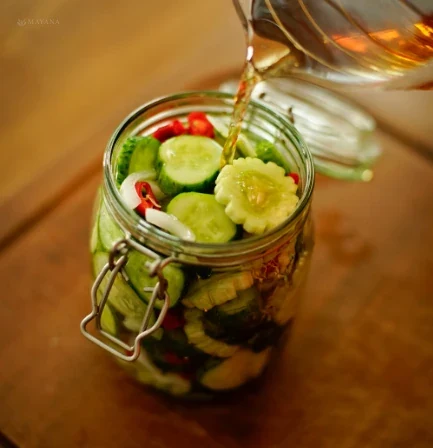
Pickle jar headspace gives rising brine and fermentation gases room to move while keeping the vegetables submerged.
Read guide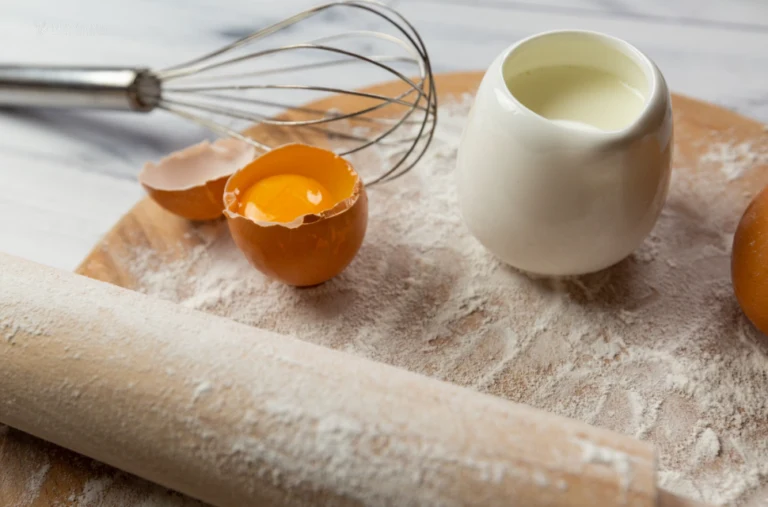
Room-temperature eggs, butter, and dairy help cake batter emulsify evenly, hold air, and rise more consistently, especially when using the creaming method.
Read guide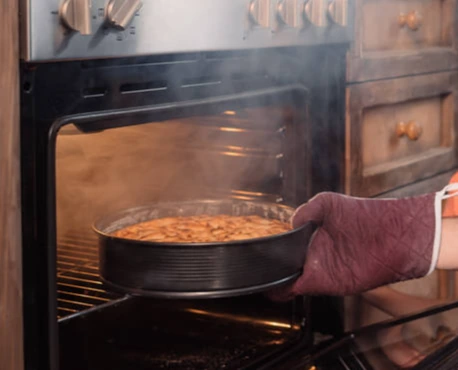
Opening the oven door too soon can lower the temperature and cause a cake’s rising structure to collapse before it sets.
Read guide
Soft butter, excess sugar, too little flour, warm dough, and an underheated oven can make cookies spread too far; simple process changes…
Read guide