
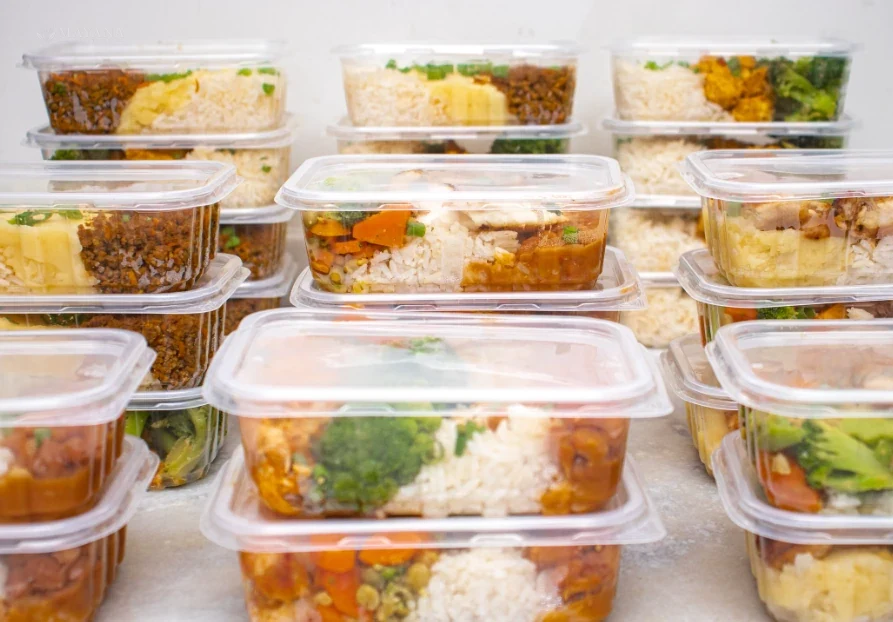
How Long Can You Freeze Cooked Food?
Find the recommended freezer storage times for cooked meals, with separate guidance for soups, stews, meat and chicken, pizza, and egg dishes.
Quick Answer
Cooked meals can remain safe for a very long time when kept continuously frozen at −18 °C or below, but recommended freezer times mainly protect quality, including flavor, texture and moisture. For general cooked leftovers, 3–4 months is a useful baseline. The time varies by dish: 2–3 months for soups and stews, 2–6 months for cooked meat or chicken leftovers, and 1–2 months for pizza.
In This Guide
Key Reasons
| Cooked meal group | Recommended time at −18 °C | Practical note |
|---|---|---|
| General cooked leftovers | 3–4 months | A useful planning range for leftovers at home. |
| Soups and stews | 2–3 months | This includes soups and stew-like dishes containing meat or vegetables. |
| Cooked meat or chicken leftovers | 2–6 months | Airtight packaging and a steady freezer temperature help preserve quality. |
| Baked egg dishes | 2–3 months | Suitable for baked egg casseroles and similar dishes. |
| Chicken nuggets or chicken patties | 1–3 months | Coated foods may gradually lose their crispness. |
| Pizza | 1–2 months | The texture of the dough and toppings may lose quality sooner. |
Proper Application
- Don’t leave food sitting out: Refrigerate or freeze cooked, perishable food within 2 hours of preparation or serving. If the room temperature is above 32 °C, this time drops to 1 hour.
- Use shallow containers and small portions: Instead of leaving a large pot to cool on the counter for a long time, divide the food among shallow containers in single-meal portions. It will cool and freeze faster.
- Keep the freezer at −18 °C or below: Check the temperature with an appliance thermometer if possible. Opening the door frequently or allowing the temperature to fluctuate often speeds up quality loss.
- Reduce exposure to air: Use an airtight, freezer-safe container or a thick freezer bag. If you use a bag, remove as much air as possible.
- Label the date and contents: Write the name of the food and the freezing date on each container. Use the oldest portions first.
- Thaw food safely: The safest method is to thaw food in the refrigerator. Food thawed in the microwave should be heated or eaten immediately.
- Check the temperature at the center when reheating: Reheat leftovers to an internal temperature of at least 74 °C before serving.
Common Mistakes
Leaving cooked food at room temperature for hours
Why it causes problems: Freezing does not reverse the microbial risk that developed while the food was at room temperature; perishable food should be refrigerated or frozen within 2 hours.
Correct use: Divide the food among shallow containers and refrigerate or freeze it within 2 hours at the latest.
Using the same storage time for every food in the freezer
Why it causes problems: The quality-retention times for soup, leftover meat and chicken, pizza, and egg dishes are not the same.
Correct use: Follow the recommended time for the type of food and label the container with the date.
Freezing a large amount of food in one container
Why it causes problems: A large mass cools and freezes more slowly; it also means thawing more food than necessary each time you use it.
Correct use: Divide the food into shallow, single-meal portions.
Using thin, air-permeable packaging
Why it causes problems: Exposure to air speeds surface drying, freezer burn, and flavor loss.
Correct use: Use a freezer-safe container or thick freezer bag, removing as much air as possible.
Not writing down the freezing date
Why it causes problems: It becomes harder to track how long the food has been in the freezer, and the quality window can easily be exceeded.
Correct use: Write the contents and freezing date on each portion.
Mayana's Recommendation
- Package in single-meal portions: Freezing the amount you will eat at one time speeds up thawing and reduces unnecessary refreezing.
- Set up a 3-month stock rotation: Use 3 months as a practical checkpoint for most home-cooked foods; eat items such as pizza, which have a shorter recommended storage time, sooner.
- Leave room in the container: Do not fill the container to the top, because soups and saucy dishes can expand as they freeze.
Additional Information
-
A meal that has remained continuously frozen at −18 °C or below exceeding its recommended quality period does not necessarily mean it has spoiled; however, its flavor, moisture, color, and texture may gradually deteriorate. Freezer burn is primarily a quality issue as well.
-
A meal safely thawed in the refrigerator can be refrozen if it is not used; however, freezing it a second time may further reduce its quality. Do not refreeze perishable foods that have remained at room temperature for more than 2 hours.
Frequently Asked Questions
How many months can cooked meals be stored in the freezer?
For general cooked leftovers, 3–4 months is a good quality window. However, storage time varies by the type of food: 2–3 months for soups and stews, 2–6 months for cooked meat or chicken leftovers, and 1–2 months for pizza.
Do cooked meals spoil in the freezer?
Foods kept continuously frozen at −18 °C or below can remain safe for a very long time. However, as the recommended storage period passes, their taste, moisture, flavor, and texture quality may decline.
How soon should cooked food be put in the freezer?
Perishable cooked foods should be refrigerated or frozen within 2 hours of preparation or serving at the latest. If the ambient temperature is above 32 °C, this time decreases to 1 hour.
How should frozen cooked food be thawed?
The most controlled method is to thaw the food in the refrigerator. If it is thawed in the microwave, it should be reheated and eaten without delay.
Can thawed cooked food be refrozen?
Food safely thawed in the refrigerator can be refrozen; however, its texture and flavor may suffer additional quality loss. Perishable foods that have remained at room temperature for more than 2 hours should not be refrozen.
To what temperature should food taken from the freezer be reheated?
Reheat leftovers until the center reaches at least 74 °C before eating.
More Kitchen Information in the Ingredients and Measurements Category
Find explanations, tips, and practical information published in the Ingredients and Measurements section, all in one place.