
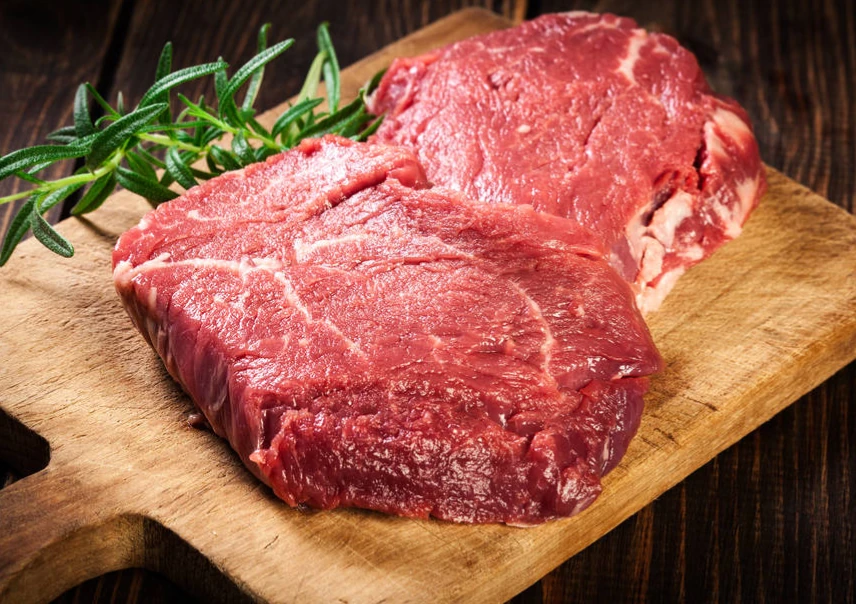
How to Tenderize Meat
Choose the right tenderizing method based on what makes the meat tough: slicing against the grain, salting, pounding, marinating, or slow cooking over low heat.
Quick Answer
There is no single way to tenderize meat; choose the technique based on the cut and cooking method. For thin cuts that cook quickly, slicing against the grain, gentle pounding, and salting ahead of time are effective. For tough cuts with a lot of connective tissue, long, slow cooking with moisture gives better results. Use acidic or enzyme-based marinades only for controlled periods.
In This Guide
Key Reasons
Muscle fibers, connective tissue, the animal’s age, how hard the cut has worked, and the degree of cooking all determine how tough meat is. That is why simply marinating does not tenderize every cut in the same way.
- Slice against the grain: Shortens long muscle fibers and makes the meat easier to chew.
- Salting: Salt that moves in from the surface affects the protein structure and water retention, which can produce a juicier result.
- Pounding: Physically breaks up the fibers and is especially effective for thin schnitzel, steaks, or slices that cook quickly.
- Long, slow cooking: Helps connective tissue in collagen-rich tough cuts turn into gelatin over time.
- Acid and enzymes: Mild acids such as yogurt affect the surface texture, while enzyme-rich ingredients such as pineapple or papaya can make the surface mushy if left too long.
Proper Application
- First, identify the cut of meat. A naturally tender cut such as tenderloin is not cooked in the same way as a cut high in connective tissue, such as shank, brisket, or shoulder.
- For grilling or pan-frying, always slice the meat against the grain before serving.
- If you are dry-brining the meat, distribute about %0.8–1% of its weight in salt evenly over the surface; thinner pieces may need less time, while thicker pieces may benefit from resting for several hours.
- If you are pounding the meat, place it between two sheets of parchment paper and strike it lightly and carefully, just enough to even out the thickness.
- If you are using a yogurt marinade, you can marinate meats such as lamb and beef for several hours or overnight; with stronger acids such as vinegar or lemon, use a shorter marinating time.
- Instead of subjecting cuts high in connective tissue to a hard boil, cook them slowly at a gentle simmer; for stews and braises, a liquid temperature of about 85–95 °C is suitable.
- Let the cooked meat rest for a few minutes before cutting it, then slice it against the grain to serve.
Common Mistakes
Soaking every tough cut in lemon juice or vinegar
Why it causes problems: Strong acids can affect the surface proteins too much before penetrating deeply, leaving the outside dry or spongy.
Correct use: Use acid carefully; for cuts with tough connective tissue, choose long, slow cooking.
Slicing the meat with the grain
Why it causes problems: Long muscle fibers offer more resistance when chewed.
Correct use: Find the direction of the grain and use the knife perpendicular to the fibers.
Pounding the meat too hard
Why it causes problems: The meat’s structure can break down, the thickness can become uneven, and it can dry out during cooking.
Correct use: The goal is not to break the meat apart, but to even out its thickness and loosen the fibers gently.
Cooking a tough cut over high heat for a short time
Why it causes problems: The muscle proteins tighten before the connective tissue has had enough time to break down.
Correct use: Cook cuts such as shank, shoulder, and brisket slowly, with moisture, over a longer period.
Mayana's Recommendation
- The first answer to “Why is the meat tough?” should be the cut and cooking technique, not marinating.
- Cutting grilling meat against the grain noticeably increases perceived tenderness without using any additional ingredients.
- Pat marinated meat dry before adding it to the pan so it browns instead of steaming.
Additional Information
-
Fruits containing proteolytic enzymes, such as pineapple and papaya, are powerful; marinating for too long can break down the meat's surface excessively. Use a short, controlled marinating time.
-
Baking soda can be used to tenderize the surface, especially on thin strips of meat; however, too much can leave a soapy taste. This method is not a substitute for the proper cooking technique for a thick steak.
Frequently Asked Questions
What tenderizes meat fastest?
For thin cuts, cutting against the grain and controlled pounding are the fastest physical methods. For large pieces with tough connective tissue, time and low heat are more effective.
Does yogurt tenderize meat?
Yes. The lactic acid in yogurt can gently affect the surface texture and can work well in a marinade.
Does lemon tenderize meat?
Acid affects surface proteins, but leaving meat in it too long can damage the outer texture. Lemon alone will not deeply tenderize a tough cut.
Does salt toughen meat?
When salted in advance and in the right amount, salt can generally help the meat retain moisture and improve its flavor rather than toughen it.
Why is tough meat cooked for so long?
Collagen takes time to turn into gelatin in cuts with a high amount of connective tissue. That is why controlled low heat and moisture are advantageous for tough cuts.
More Cooking Techniques Kitchen Information
Access other explanations, tips, and practical guidance published in the Cooking Techniques section from a single screen.