
The Right Technique for Removing Jam Foam and Keeping It Clear
Remove the foam that forms on jam without crushing the fruit. For a clear, clean appearance, skim the foam at the end of cooking.
Quick Answer
Instead of stirring the foam back into the jam, remove the pot from the heat once the jam reaches the desired consistency, then quickly skim the foam collected on the surface with a wide, shallow spoon. This helps the jam look cleaner and clearer; working without crushing the fruit is especially important in chunky jams. To reduce foaming, you can also use a wide pot and, in suitable recipes, add a very small amount of butter.
In This Guide
Key Reasons
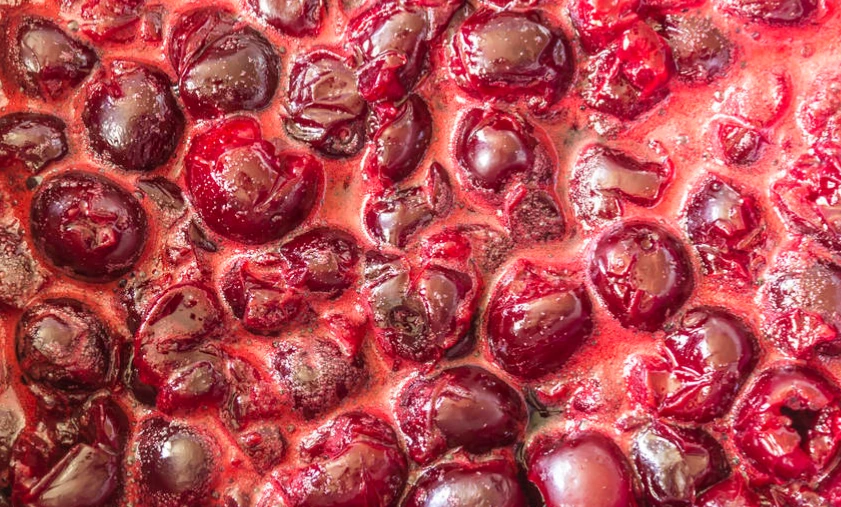
During boiling, fruit, sugar, and dissolved solids can trap air bubbles at the surface and create foam. Foam does not mean the jam has spoiled; the main issue is that the air-filled layer left on the surface during filling can make the jam look cloudy and uneven in the jar.
Reliable home-canning sources recommend removing the mixture from the heat when the jam or jelly reaches the desired consistency and quickly skimming off the foam rather than continually chasing foam throughout cooking. Skimming it at the end helps reduce the breakup of fruit pieces and unnecessary product loss.
Proper Application
- If possible, cook the jam in a wide, heavy-bottomed pot with high sides, following the recipe.
- Stir as needed until the sugar has completely dissolved. During boiling, do not crush the fruit unnecessarily and redistribute the foam into the mixture.
- When the jam reaches the desired consistency, turn off the heat and remove the pot from the heat.
- Wait for the foam on the surface to collect in a few places, then skim only the top layer with a wide, shallow, clean spoon or skimmer.
- Do not dip the spoon deeply. The aim is not to remove the syrup and fruit, but only to collect the foam on the surface.
- If there is a lot of foam and it is suitable for the reliable recipe you are using, you can add during cooking no more than approximately 1/2 teaspoon of butter or margarine to reduce the foam.
- If you are canning the jam, do not cool it unnecessarily; continue with the filling and heat-processing instructions for the tested recipe you are using.
Common Mistakes
Stirring the foam back into the jam
Why it causes problems: The air bubbles collected on the surface disperse again, and the jam may look cloudier.
Correct use: Stop stirring once the jam reaches its consistency, then skim the foam from the surface.
Dipping the spoon deep into the jam to remove the foam
Why it causes problems: The syrup and fruit are removed with the spoon as well, increasing product loss and crushing the fruit.
Correct use: Collect only the surface layer with broad, shallow movements.
Boiling the jam longer than necessary for clarity
Why it causes problems: Overcooking can darken the color, reduce the fruit aroma, and make the jam firmer than necessary.
Correct use: Solve the foaming problem with the right skimming technique rather than extending the cooking time.
Adding butter without measuring
Why it causes problems: Too much fat can affect the jam’s aroma and its flavor during long-term storage.
Correct use: If you use it, do not exceed the very small amounts recommended in tested recipes.
Mayana's Recommendation
- The best time to remove foam is usually when the jam has finished reaching its consistency and the pot has been removed from the heat.
- In chunky jam, a wide, flat spoon is gentler on the fruit.
- The main gains in clarity come from controlled cooking, avoiding unnecessary stirring, and removing the final foam cleanly; boiling for too long can have the opposite effect.
Additional Information
Skimming foam improves visual quality, but it does not by itself make jam safe for storage. If you plan to store it at room temperature for a long time, use a tested canning recipe suited to the fruit, with proper jar filling, headspace, and heat-processing time. Do not consume a product with a suspicious odor, mold, a bulging lid, or leakage.
Frequently Asked Questions
When should you remove foam from jam?
The most controlled method is to remove the pot from the heat when the jam reaches the desired consistency, then quickly skim the foam that has collected on the surface.
Is it necessary to remove foam from jam?
Foam is not by itself a sign of spoilage, but removing it gives the jam a cleaner, clearer appearance in the jar.
Does adding butter to jam reduce foaming?
Some reliable canning recipes optionally use about 1/2 teaspoon of butter or margarine to reduce foaming. The recipe’s suitability and storage time should be taken into account.
Is boiling jam longer the right way to clarify it?
No. Overboiling can darken the color and make the consistency firmer than necessary. Proper skimming is a better way to achieve clarity.
More Cooking Information from the Cooking Techniques Category
Access the other explanations, tips, and practical information published in the Cooking Techniques section from a single screen.