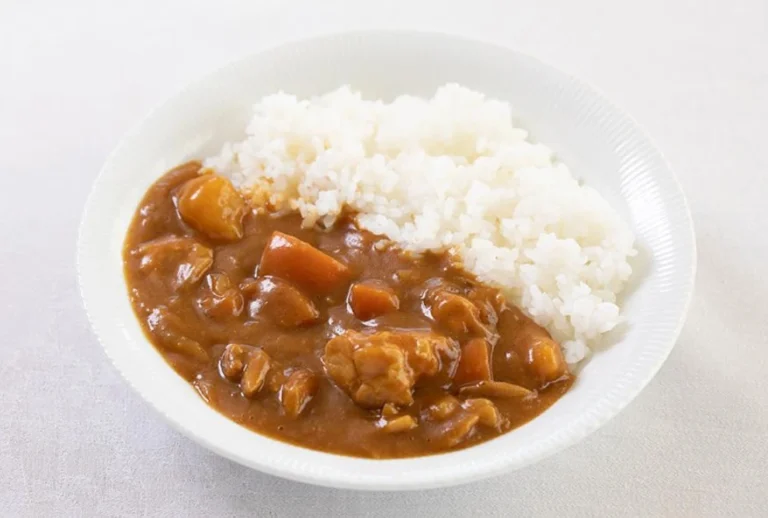
Chicken Dinner with Pilaf Garnish
Yogurt-marinated chicken browns in a hot skillet beside fluffy basmati pilaf with vegetables.
Brown the Chicken, Protect the Grains
Heat the skillet thoroughly and arrange the coated chicken in a single layer so it browns instead of steaming; use two batches if needed. For the pilaf, drain the garnish, measure the hot water carefully, and avoid stirring after the liquid goes in. Let the buttered rice rest, covered, for 10 minutes before molding and serving.
- Yield
- Main dish for 6
- Servings
- 6 servings
- Total time
- 45 min
- Difficulty
- Easy
- Prep time
- 20 min
- Cook time
- 25 minRest the Chicken in the Sauce: At least 10 min, ideally 30 min
Ingredients for Saucy Chicken with Garnish Pilaf
For the pilaf
For the chicken and sauce
How to Make Saucy Chicken with Garnish Pilaf
Enlarges the steps and, on supported browsers, helps keep your screen awake.
-
01
Rinse and drain the rice
5 minutesGently rinse the basmati rice in a large strainer under cold running water until the water runs noticeably clear. Leave it in the strainer for a few minutes to drain off excess water.
-
02
Cook the rice
18 minutesAdd 3 tablespoons olive oil to a covered pot. Add the drained rice and gently stir over medium heat for 2-3 minutes. Add 4.5 cups hot water, 1 tablespoon salt, the drained garnishes, and 5 drops lemon juice, then stir once. When it begins to boil, reduce the heat to the lowest setting, cover, and cook for approximately 12-15 minutes, until the rice absorbs the water.
-
03
Prepare the chicken sauce
5 minutesIn a large mixing bowl, stir 3 tablespoons yogurt, 1 tablespoon tomato paste, 2 tablespoons olive oil, 1 tablespoon lemon juice, ground red pepper, black pepper, onion powder, garlic powder, oregano, cumin, and 1 teaspoon salt until smooth.
-
04
Sauce and rest the chicken
10 minutesCut the chicken breasts into thin strips against the grain. Add them to the sauce and toss until every piece is coated. Cover the bowl and let the chicken rest in the refrigerator for at least 10 minutes; if you have time, let it rest for 30 minutes.
-
05
Pan-fry the chicken
10 minutesHeat a large nonstick skillet thoroughly over medium-high heat. Spread the chicken in the skillet in a single layer; if the skillet is small, cook it in two batches. Cook the first side without moving the pieces too much until browned, then turn them and cook the other side. Remove from the heat when the thickest part of the chicken reaches 74°C.
-
06
Rest and serve the rice
10 minutesAdd 1 tablespoon butter to the rice once it has absorbed the liquid. Turn off the heat, cover the pot again, and let the rice rest for 10 minutes. Gently fluff the rice from the bottom up, fill the serving mold without pressing it down, and invert it onto a plate. Arrange the hot chicken strips on top and serve.
Saucy Chicken with Garnish Pilaf
Mastery Guide
Review the technical details, common mistakes and correct practices that determine the recipe result.
Critical Tips
Heat the skillet thoroughly first
If yogurt-marinated chicken goes into a cold skillet, it releases its moisture and steams instead of browning.
Best practice: Place the chicken in a single layer in the hot skillet and cook it in two batches if necessary.
Measure the rice water before adding it
Too much liquid can soften the basmati grains and make them stick together.
Best practice: Keep the ratio of 4,5 glasses of hot water for 3 glasses of rice.
Cook the rice over low heat without stirring
Frequent stirring during cooking can break the grains and release starch.
Best practice: Stir once after adding the water, then cover and leave over low heat.
Common Mistakes
Overcrowding the pan
Steam that collects in the pan prevents the chicken surface from browning.
Best practice: Arrange the chicken slices with space between them, and cook in two batches in a small pan.
Adding the garnish with its liquid
The jar liquid can upset the rice’s carefully measured water balance and make it mushy.
Best practice: Be sure to drain the garnish before adding it to the rice.
Molding the rice before it has rested
Freshly cooked rice has more moisture on the surface, so the grains break apart more easily.
Best practice: After adding the butter, let the rice rest in the covered pot for 10 minutes.
Why Does This Happen?
Why does yogurt sauce brown quickly on chicken?
Yogurt, tomato paste and oil cling to the chicken in a thin layer; browning speeds up in a hot pan as the surface moisture evaporates.
Best practice: Preheat the pan and do not crowd the chicken.
Why are a few drops of lemon added to rice?
A small amount of acid gives the rice a cleaner, more balanced flavor without making it noticeably sour.
Best practice: Limit the lemon to a few drops; too much acid changes the character of the rice.
Why can basmati rice turn mushy?
Too much water, prolonged cooking and frequent stirring cause the grains to release starch and stick together.
Best practice: Measure the liquid, cook covered over low heat, and avoid unnecessary stirring while the rice cooks.
Mayana Tips
Cut the chicken into evenly thick pieces
Pieces of different thicknesses will not cook evenly in the same amount of time.
Best practice: Cut the chicken breast into strips that are as evenly sized and thin as possible.
Do not press down on the rice mold
Pressing the rice can break up the grains and make the presentation heavy.
Best practice: Fill the mold loosely, smooth only the surface, then invert it onto the plate.
Assemble the dish while the components are hot
Cooled rice and chicken can become dry when reheated, especially the breast meat.
Best practice: Let the chicken finish cooking while the rice rests, then serve both hot.
Ingredients & Measurements
Choosing basmati rice
Long-grain basmati keeps the garnish separate and gives this presentation a looser texture.
Best practice: Rinse the rice until the water runs clear, then drain it thoroughly before cooking.
Liquid from the garnish
The brine or canning liquid from prepared garnish changes the rice's salt and liquid balance.
Best practice: Drain the jarred garnish before using it.
Chicken breast thickness
Thick pieces cook slowly in the center while browning on the outside; very thin pieces dry out quickly.
Best practice: Prepare thin strips with a similar thickness.
Cooking Techniques
Cook the chicken in a single layer
Leaving space around the chicken lets steam escape and helps the surface brown.
Best practice: Cook the chicken in a wide skillet without overlapping the pieces.
Covered rice over low heat
Low heat after boiling allows the liquid to absorb steadily and the grains to cook evenly.
Best practice: Once the water boils, reduce the heat to the lowest setting and cook without removing the lid.
Redistribute moisture while the rice rests
After the rice is removed from the heat, the remaining steam redistributes through the grains and across the surface.
Best practice: After adding the butter, cover the pilaf and let it rest for 10 minutes.
How to Store and Make Saucy Chicken with Garnish Pilaf Ahead
- Serving temperature
Serve hot; both the chicken and pilaf should be noticeably hot when served.
- Best resting time
After removing the pilaf from the heat, cover it and let it rest for 10 minutes.
- Refrigerator storage
Store leftover chicken and pilaf in shallow, lidded containers in the refrigerator for up to 3 days.
- Room-temperature limit
Do not leave cooked chicken and pilaf at room temperature for more than 2 hours.
- Freezing
Freeze in individual portions in an airtight container for up to 1 month; the pilaf may soften somewhat after thawing.
- Thawing method
Thaw the frozen portion in the refrigerator overnight.
- Reheating
Reheat the chicken and pilaf in individual portions until completely hot; bring the internal temperature of the chicken portion to 74°C.
- Make-ahead steps
The chicken sauce can be prepared ahead; marinate the chicken in the refrigerator for 30 minutes to 4 hours. Cook the pilaf close to serving time for the best texture.
- Serving suggestion
Serve with cacık, ayran, or a seasonal salad.
Nutrition
1 serving: 1/6 of the recipe; including serving additions
Calculated approximately for 1/6 of the recipe, using standard household equivalents for the rice, chicken breast, and drained garnish vegetables. Values are approximate calculations.
Frequently Asked Questions About Saucy Chicken with Garnish Pilaf
How much water do I need for garnished basmati rice?
For this recipe, use 4.5 cups of hot water for 3 cups of basmati rice. Because the rice brand and whether it was soaked beforehand can affect how much water it absorbs, use this ratio the first time you make it.
Why does chicken breast release water in the pan?
If the pan is not hot enough or you add too much chicken at once, the steam that forms on the surface cannot escape. Preheat a wide pan and cook the chicken in a single layer, in two batches if necessary.
Can I marinate the chicken for longer than 10 minutes?
Yes. Letting it sit in this yogurt-based sauce for 30 minutes gives it a more pronounced flavor. Because the sauce also contains lemon, the chicken breast develops a more balanced texture if you do not marinate it for more than about 4 hours.
When should I add the vegetables to the rice?
Add the drained vegetables to the rice along with the hot water and salt. This heats the vegetables at the same time as the rice and keeps them from becoming mushy from prolonged cooking.
How do I remove the pilaf from the mold without it falling apart?
After letting the pilaf rest for 10 minutes, fill the mold without pressing it down. Place the serving plate over the mold and turn it over in one motion; wait a few seconds, then lift off the mold.
How can I tell when the chicken is cooked?
The chicken pieces should be completely opaque inside, and the thickest part should reach an internal temperature of 74°C. Do not use the color of the outside alone as a sign of doneness.
You may also like