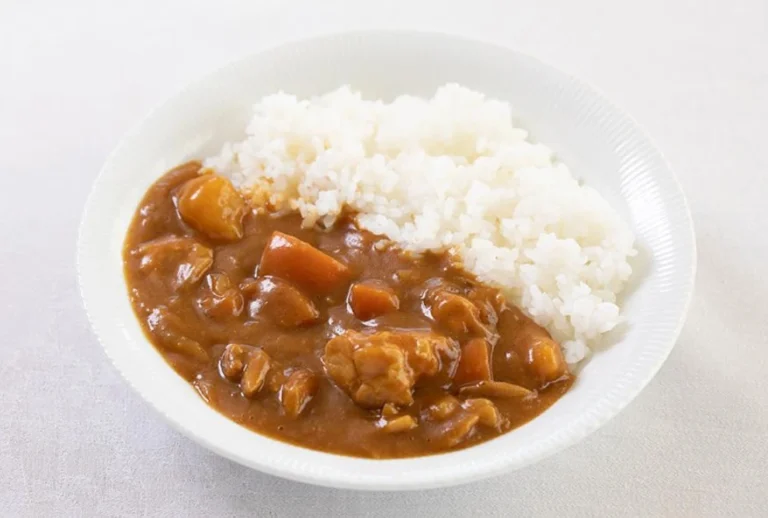
Turkish Chicken and Potato Stew
Juicy chicken and large, tender potato cubes simmer in a tomato-and-pepper paste base in one pot.
Brown First, Then Simmer Gently
Use a wide pot and brown the chicken briefly over medium-high heat so the surface gains flavor without drying out the center. Sauté the onion and both pastes before adding evenly sized, approximately 3 cm potato cubes and hot water. Once boiling, reduce the heat and avoid frequent stirring, which can break down the potatoes. Check that the thickest chicken piece reaches at least 74°C.
- Yield
- 1 medium pot of chicken and potatoes
- Servings
- 6 servings
- Total time
- 50 min
- Difficulty
- Easy
- Prep time
- 15 min
- Cook time
- 35 min
Ingredients for Chicken and Potato Stew
Ingredients
How to Make Chicken and Potato Stew
Enlarges the steps and, on supported browsers, helps keep your screen awake.
-
01
Prepare the chicken and potatoes
10 minutesCut the chicken into 3 cm cubes. Peel the potatoes and cut them into similarly sized large cubes. Dice the onion. Keep the cutting board and knife that touched the raw chicken separate from the other ingredients.
-
02
Brown the chicken
7 minutesHeat a large pot over medium-high heat and add the olive oil. Cook the chicken in a single layer for 5–7 minutes, turning it, until the surfaces turn opaque and lightly browned.
-
03
Sauté the onion and tomato paste
6 minutesAdd the onion and soften it for 4 minutes. Add the tomato and pepper pastes and sauté for 1–2 minutes.
-
04
Cook with the potatoes
25 minutesAdd the potatoes, hot water, salt, black pepper, and red pepper flakes. Once it comes to a boil, reduce the heat to low-medium, leave the lid slightly ajar, and cook for 22–25 minutes. Do not stir too much.
-
05
Rest with oregano
5 minutesTurn off the heat, add the oregano, and stir gently. Let it rest for 5–10 minutes, then serve hot.
Mastery Guide
Review the technical details, common mistakes and correct practices that determine the recipe result.
Critical Tips
Check the Chicken's Internal Temperature
Color alone does not guarantee that the chicken is safely cooked.
Best practice: Aim for an internal temperature of at least 74°C in the thickest piece.
Cut the Potatoes Evenly
Pieces of different sizes do not cook at the same time.
Best practice: Cut the potatoes into evenly sized cubes of approximately 3 cm.
Do Not Stir Frequently
As the potatoes soften, their edges break apart and thicken the dish.
Best practice: Gently shake the pot if necessary.
Common Mistakes
Diluting the Chicken Over Low Heat
A crowded pot and low heat prevent browning.
Best practice: Use a wide pot over medium-high heat.
Cutting the Potatoes Too Small
The potatoes may fall apart before the chicken is cooked.
Best practice: Cut the potatoes into large, evenly sized cubes.
Adding the Thyme at the Beginning
Its flavor may fade during a long simmer.
Best practice: Add it as you turn off the heat.
Why Does This Happen?
Why Do the Potatoes Fall Apart?
Small pieces, frequent stirring, or prolonged cooking breaks down their starchy structure.
Best practice: Cut the potatoes into large pieces, and do not stir the dish frequently with a spoon.
Why Does the Chicken Become Dry?
It loses moisture if it is overcooked during the initial sauté and then simmered for too long.
Best practice: At the first stage, brown the surface only.
Why Does the Dish Become Too Thick?
The potatoes break apart and release starch into the sauce.
Best practice: Finish cooking while the potatoes still hold their shape.
Mayana Tips
Chicken Thighs Are More Forgiving
Thigh meat stays juicier than breast meat during longer cooking.
Best practice: Use boneless thighs if you prefer.
Resting Helps the Sauce Come Together
A short rest off the heat allows the flavors to meld.
Best practice: Cover and let it rest for 5–10 minutes.
Add Hot Water
Cold water lowers the temperature of the pot.
Best practice: Use boiling or very hot water.
Ingredients & Measurements
Potato Type
Very floury potatoes may break apart more easily.
Best practice: Choose firm potatoes with medium starch content.
Chicken Piece Size
Uniform pieces cook safely and at the same time.
Best practice: Cut the chicken into cubes about 3 cm in size.
Tomato and Pepper Paste
Using tomato and pepper paste together adds depth.
Best practice: Be sure to sauté the paste briefly.
Cooking Techniques
Brown the Chicken First
This boosts the flavor on the chicken’s surface.
Best practice: Use a wide, hot pot.
Low-to-Medium Heat Simmering
Cooks the potato through without breaking it apart.
Best practice: Reduce the heat after it comes to a boil.
Thermometer Check
Confirms that the chicken is cooked safely.
Best practice: Measure from the center of the thickest piece.
How to Store and Make Chicken and Potato Stew Ahead
- Serving temperature
Hot
- Best resting time
Letting the stew rest for 5–10 minutes after removing it from the heat helps the liquid and texture settle.
- Refrigerator storage
Cool within 2 hours and store covered in the refrigerator for up to 3 days.
- Room-temperature limit
Do not leave at room temperature for longer than 2 hours.
- Freezing
Freeze in suitable portions for up to 1 month; potato dishes may soften slightly after thawing.
- Thawing method
Thaw in the refrigerator overnight.
- Reheating
Add a little water to the pot and reheat over low heat; make sure the center of the chicken dish is thoroughly hot.
- Make-ahead steps
The vegetables can be chopped ahead; keep equipment that touches raw chicken separate and cook the dish the same day.
- Serving suggestion
Serve hot.
Nutrition
1 serving: 1/6 of the recipe; including serving additions
Calculated approximately from standard ingredient nutrition values and household-measure conversions based on 1/6 of the recipe. Values are approximate calculations.
Frequently Asked Questions About Chicken and Potato Stew
What temperature should the chicken reach in chicken and potato stew?
An internal temperature of at least 74°C at the center of the thickest piece can be used as a safe target.
Why is the potato falling apart?
Cutting it too small, stirring too much, or cooking it too long can cause the potato to fall apart.
Can I use chicken thighs instead of chicken breast?
Yes; boneless thigh meat is juicier and holds up better to longer cooking.
Can this dish be frozen?
Yes; however, the potatoes may have a softer texture after thawing.
Can it be made without tomato paste?
Yes; using a tomato or plain chicken broth base will change the flavor profile.
You may also like