
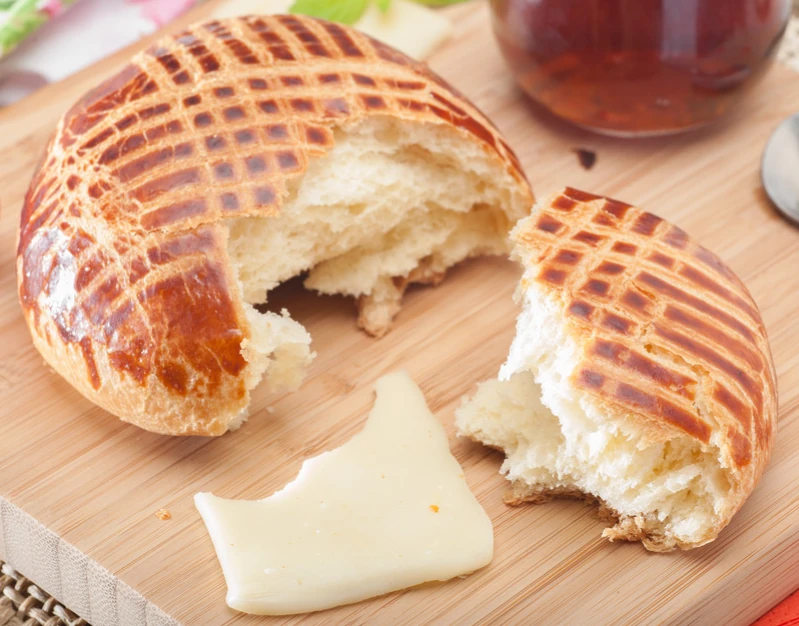
Can You Use Oil Instead of Butter in Poğaça?
Learn the right substitution ratio, how the dough’s consistency changes, and how to preserve poğaça’s balance of flavor and texture when replacing butter with oil.
Quick Answer
Yes, you can use oil instead of butter in poğaça, but the result will not be exactly the same. Butter also contains water and milk components, whereas oil is almost entirely fat; replacing 100 g butter directly with 100 g oil can therefore make the dough excessively greasy. As a practical starting ratio, use about 80–85 g neutral oil instead of 100 g butter, then adjust the dough’s liquid slightly according to its consistency.
In This Guide
Key Reasons
Butter and oil affect the dough differently. Butter’s flavor, milk components, and structure provide a more pronounced buttery taste and a firmer texture as the poğaça cools. Oil coats the flour particles, supporting softness, and remains liquid at room temperature, which can help the poğaça feel softer the next day.
| Substitution | Approximate amount | Expected effect |
|---|---|---|
| 100 g butter | 80–85 g oil | Softer, with less buttery flavor |
| 125 g butter | 100–105 g oil | The dough may feel more fluid |
| 200 g butter | 160–170 g oil | Adjust the liquid carefully |
Proper Application
- Weigh the butter amount specified in the recipe; working in grams rather than cups gives more consistent results.
- Start with about 80–85 g neutral oil for every 100 g butter. An oil without a strong flavor, such as sunflower oil, is closer to the classic poğaça flavor.
- If the recipe includes milk, yogurt, or water, do not add it all at once. Because the fat substitution changes how the dough feels, add the final 1–2 tablespoons of liquid gradually and carefully.
- The dough should be soft and slightly sticky, but it should not release oil. Adding unnecessary flour will make the poğaça firm.
- If you do not want to lose the buttery flavor completely, use about half butter and half oil for a balanced middle-ground formula.
Common Mistakes
Replacing Butter with Oil Gram for Gram
Why it causes problems: Butter contains water and milk components, while oil is almost entirely fat; the dough may become excessively greasy and loose.
Correct use: Start with about 80–85 g oil instead of 100 g butter, then check the dough’s consistency.
Adding all the liquid at once in the amount specified in the recipe after changing the fat
Why it causes problems: The dough’s fat-to-liquid balance changes, so it may become too soft.
Correct use: Add the remaining liquid gradually, according to how much the dough absorbs.
Adding too much flour to correct the consistency
Why it causes problems: Excess flour can make the poğaça’s interior dry and dense.
Correct use: Let the dough rest for a few minutes and reassess its consistency; add only as much flour as necessary.
Using a Strongly Flavored Oil in Every Recipe
Why it causes problems: Strongly flavored oils such as olive oil can significantly change poğaça’s classic buttery profile.
Correct use: For a neutral flavor, choose a lightly flavored oil such as sunflower oil.
Mayana's Recommendation
Mayana tip: For your first attempt, use half butter and half oil rather than replacing all the butter. This provides a good balance that preserves the flavor while helping the poğaça stay softer the next day.
Additional Information
Poğaça made with oil may feel softer even when cold, while the interior of butter-based poğaça can become firmer as the butter cools. When changing the fat, use the dough’s actual consistency as your guide instead of automatically increasing the flour in the same recipe.
Frequently Asked Questions
How Much Oil Should You Use Instead of 100 Grams of Butter?
A good starting point for poğaça dough is about 80–85 g neutral oil. Because the recipe’s other liquids and the flour’s absorption vary, always adjust the final consistency by assessing the dough.
Does vegetable oil make poğaça softer?
Because vegetable oil stays liquid at room temperature, it may help the poğaça stay soft longer, while butter provides a more pronounced flavor and a different mouthfeel.
Can olive oil be used in poğaça?
Yes, but its flavor is pronounced. If you want a classic, neutral poğaça flavor, you can choose a more mildly flavored oil.
Can butter and vegetable oil be used together?
Yes. Using half butter and half vegetable oil can provide a texture that stays soft longer while preserving the flavor of butter.
More Kitchen Information in the Ingredients and Measurements Category
Find explanations, tips, and practical information published in the Ingredients and Measurements section, all in one place.