Chocolate Truffles Recipe
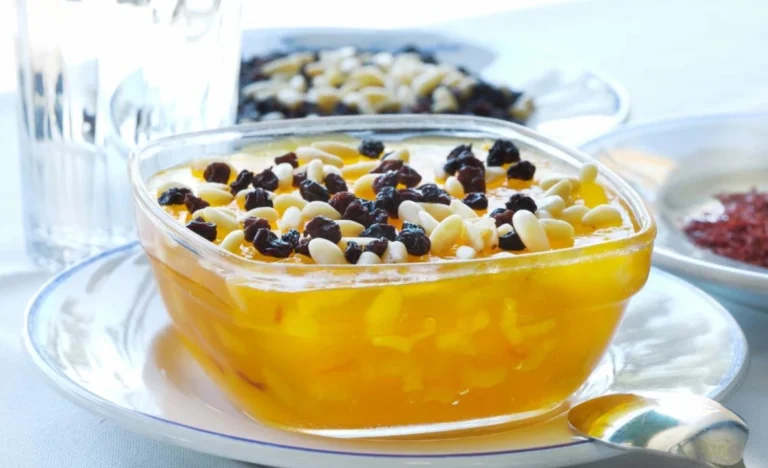
Dark chocolate ganache centers finished with a fine dusting of cocoa.
How do you make chocolate truffles with a smooth center?
Make classic chocolate truffles by pouring hot heavy cream over finely chopped dark chocolate, then gently stirring the mixture into a smooth ganache. Add a little butter for a soft finish, chill until the ganache holds its shape, and portion it into small balls. Roll them briefly in unsweetened cocoa powder and keep refrigerated until serving.
- Yield
- Approximately 24 chocolate truffles
- Servings
- 12 servings
- Total time
- 30 min
- Difficulty
- —
- Prep time
- 25 min
- Cook time
- 5 minRefrigerate ganache until firm enough to scoop (90–120 minutes).: At least 1 hr 30 min, ideally 2 hr
Ingredients for Chocolate Truffles
For the Ganache
For the Cocoa Coating
How to Make Chocolate Truffles
Enlarges the steps and, on supported browsers, helps keep your screen awake.
-
01
Chop the chocolate
5 minutesFinely chop 240 g dark chocolate (70–75% cocoa solids) and place it in a dry, heatproof bowl. Cut 15 g unsalted butter into small cubes and set it aside. A uniform chop helps the chocolate melt evenly without requiring harsh extra heat.
-
02
Warm the heavy cream
5 minutesPlace 150 g heavy whipping cream in a small saucepan over medium-low heat. Warm it, stirring occasionally, until small bubbles appear around the edges and steam rises, about 4–5 minutes; do not let it boil vigorously. Immediately pour the hot cream over the chopped chocolate and leave it undisturbed for 2 minutes.
-
03
Build the ganache
4 minutesStarting in the center of the bowl, stir the hot cream and chocolate in small circles with a silicone spatula, gradually widening the circles until the mixture is smooth, thick and glossy. Allow it to cool briefly to about 95–104°F (35–40°C), then mix in the 15 g softened butter until no separate streaks remain.
-
04
Refrigerate until scoopable
90–120 minutes (passive)Transfer the ganache to a shallow 8 x 8-inch (20 x 20-cm) dish. Cover the surface closely and refrigerate for at least 90 minutes, ideally about 120 minutes, until firm enough to keep the shape of a rounded spoonful. If still soft, continue chilling in 15-minute intervals.
-
05
Portion and shape
10 minutesLine a tray with parchment. Use a small spoon or scoop to divide the ganache into about 24 even mounds. Quickly round each mound between clean, cool, dry palms; leave them slightly irregular like real truffle mushrooms. If the centers start to soften, refrigerate the tray for 10 minutes before continuing.
-
06
Dust with cocoa and serve
5 minutesSift 15 g unsweetened cocoa powder into a shallow bowl. Roll each of the 24 shaped truffles lightly in the cocoa, gently shaking away loose powder. Some cocoa may remain in the bowl and should be discarded. Keep finished truffles covered and refrigerated until serving; take out only the portion needed 5–10 minutes beforehand.
Mastery Guide
Review the technical details, common mistakes and correct practices that determine the recipe result.
Critical Tips
Choose a workable ganache ratio
Too much cream leaves the centers too soft to scoop cleanly.
Best practice: Weigh 240 g of 70–75% dark chocolate against 150 g of heavy cream; do not replace it with an equal volume of milk.
Heat the cream without reducing it
Excess boiling evaporates water and changes the emulsion and final firmness.
Best practice: Stop heating at the first small bubbles around the edge and pour it over chopped chocolate.
Emulsify gently from the center
Rushed, broad stirring can leave unmelted fragments or oily streaks.
Best practice: Let the hot cream stand for 2 minutes, then make small circles at the center before widening the motion.
Chill until scoopable, not rock-hard
The correct shaping point is firm enough to hold a mound but yields to a spoon.
Best practice: Begin checking after 90 minutes; give it up to 120 minutes, or let an over-chilled batch stand briefly in a cool room before shaping.
Common Mistakes
Using warm ganache for shaping
Soft ganache smears across hands instead of keeping individual pieces.
Best practice: Chill until it retains a rounded scoop, and return the dish to the refrigerator between batches.
Scorching the chocolate directly
Intense heat gives a grainy or burnt flavor that mixing cannot repair.
Best practice: Heat the cream separately and pour it over finely chopped chocolate rather than cooking chocolate on the burner.
Rolling too long in warm hands
Prolonged contact melts the surface and produces misshapen, greasy truffles.
Best practice: Scoop small pieces first and shape each quickly with cool, dry hands.
Packing on excess cocoa
Thick powder can taste chalky and obscure the ganache.
Best practice: Shake or sift off loose cocoa after a light, even coating.
Why Does This Happen?
Why ganache thickens in the refrigerator
Cooling allows cocoa butter to crystallize and the fat-water mixture to become more structured.
Best practice: Let the center set fully before scooping instead of thickening it with extra cocoa powder.
Why ganache turns oily or split
An unstable dispersion of cream moisture and chocolate fats can separate when overheated or mixed abruptly.
Best practice: Stir the warm mixture patiently from the center; if necessary, add 1 teaspoon hot cream and blend gently to restore an emulsion, noting this changes the original ratio.
Why truffles soften at room temperature
Cocoa butter and milk fat become softer as their temperature rises.
Best practice: Bring out only what is being served, then return the rest to the refrigerator promptly.
Why cocoa coating becomes damp
Moisture condenses on a cold surface when truffles enter humid, warm air.
Best practice: Keep them covered during short temperature changes and dust with a little fresh cocoa only just before serving if needed.
Mayana Tips
Shape consistent portions first
Even scoops make serving counts and chocolate intensity more predictable.
Best practice: Divide the chilled ganache into 24 small mounds on parchment before rounding them.
Use a shallow setting dish
A thin layer cools more uniformly than a deep bowl of ganache.
Best practice: Spread into an 8-inch shallow dish and cover before refrigeration.
Batch the cocoa finishing
Separating scooping, quick rolling and dusting helps prevent melted hands and uneven coating.
Best practice: Scoop all portions, roll a few at a time, and coat them in a separate dry dish.
Serve after a short tempering rest
Refrigerator-cold ganache can feel firmer and less aromatic than intended.
Best practice: Set out a small serving portion for 5–10 minutes, well within food-safety time limits.
Ingredients & Measurements
Choose true dark chocolate
Cocoa solids, cocoa butter and added sugar determine both flavor and set; compound coating behaves differently.
Best practice: Buy a 70–75% dark chocolate with cocoa butter listed in the ingredients.
Match the cream's fat content
US heavy cream around 36% milk fat behaves differently from lower-fat light cream and richer UK double cream.
Best practice: Weigh 150 g of US heavy whipping cream; do not swap cream categories one-for-one.
Use softened unsalted butter sparingly
Added milk fat rounds the texture, while too much can make the ganache greasy and softer.
Best practice: Add exactly 15 g when the ganache cools below about 104°F (40°C).
Keep coating cocoa unsweetened
Sweetened instant cocoa mixes add sugar, starch and dairy that change the exterior.
Best practice: Use 15 g sifted pure unsweetened cocoa; discard the excess after coating.
Cooking Techniques
Hot-cream infusion
Hot cream transfers enough heat to chopped chocolate without direct overheating.
Best practice: Pour the just-simmering cream over small, uniform pieces and wait 2 minutes before stirring.
Center-out emulsification
A small glossy center encourages the dispersed fat and water phases to combine smoothly.
Best practice: Make tight circles with a silicone spatula, widening them only as the center turns shiny.
Warm-phase butter addition
Butter disperses more evenly once the chocolate-cream mixture is smooth and no longer very hot.
Best practice: Check that ganache is below about 104°F (40°C), then stir in the 15 g of soft butter until invisible.
Controlled chilling and shaping
Chilling supplies structure, but brief hand contact is enough to round the centers without liquefying them.
Best practice: Refrigerate 90–120 minutes, portion with a small scoop and finish each sphere in 2–3 quick motions.
How to Store and Make Chocolate Truffles Ahead
- Serving temperature
Serve slightly cool, not refrigerator-hard; allow only the truffles being eaten to stand 5–10 minutes before serving. Keep the remainder refrigerated at 40°F (4°C) or colder.
- Best resting time
The ganache needs at least 90 minutes of refrigeration to reach a scoopable texture; 120 minutes is often easier for neat shaping. This setting time is separate from the 30 minutes of active preparation and cooking.
- Refrigerator storage
Store in a clean, covered, airtight container in the refrigerator at 40°F (4°C) or below; for this fresh-cream homemade version, use within 3–4 days. Keep away from strong-smelling foods.
- Room-temperature limit
Do not treat cream ganache as shelf-stable candy. Keep cumulative room-temperature exposure below 2 hours (1 hour if the environment is hotter than 90°F/32°C); return leftovers to the refrigerator promptly.
- Freezing
For make-ahead quality, freeze finished truffles in a tightly sealed container for up to about 1 month; this is a practical quality target, not a shelf-stability guarantee. Cocoa coating may need refreshing afterward.
- Thawing method
Thaw covered in the refrigerator, preferably overnight, to reduce surface condensation. Do not thaw on the kitchen counter.
- Make-ahead steps
Prepare and chill the ganache up to 1 day before shaping; keep it covered in the refrigerator, then portion and cocoa-coat close to serving. Finished truffles may be refrigerated for 3–4 days total from initial preparation.
- Serving suggestion
Offer 2 small truffles per serving; set them in small paper candy cups if desired. The flavor is fullest after a brief 5–10 minute rest out of the refrigerator.
Nutrition
1 serving: 2 chocolate truffles; including serving additions
Estimated per 2 truffles from standard ingredient composition data; the calculation assumes about 10 g of the coating cocoa is eaten across the batch.
Frequently Asked Questions About Chocolate Truffles
What kind of chocolate makes the best truffle center?
Choose a good dark chocolate with approximately 70–75% cocoa solids and cocoa butter. Milk chocolate and compound chocolate have different sugar and fat balances, so they are not equal-weight substitutes for this formula.
Why is my truffle ganache too soft to roll?
It may be insufficiently chilled, or the cream-to-chocolate ratio may have shifted. Chill in 15-minute intervals until it holds a spoonful; if it remains liquid after thorough chilling, double-check the ingredient weights and chocolate type.
Can I make these truffles without butter?
Yes, but the center may be slightly firmer and less rounded in flavor. Omit the 15 g butter rather than replacing it with oil; expect a modest change in texture and nutrition.
Do I need to temper chocolate for cocoa-dusted truffles?
No. The filling is refrigerated ganache, and the outside is dry cocoa powder. Tempering is relevant to a separate hard, glossy chocolate shell, which this recipe does not use.
How long do homemade chocolate truffles keep?
For this version made with fresh heavy cream, refrigerate in a covered container at 40°F (4°C) or colder and use within 3–4 days. Do not leave them out for more than 2 hours in total.
Can I freeze chocolate truffles?
For practical make-ahead quality, freeze well sealed for up to about 1 month. Thaw them covered in the refrigerator, and refresh the cocoa dusting if condensation has dulled it.
Why did my ganache separate or look greasy?
Too much heat or abrupt mixing can destabilize the emulsion. Warm it gently and stir from the center; if necessary, blend in a teaspoon of warm cream, recognizing that this slightly softens the original ratio.
You may also like