
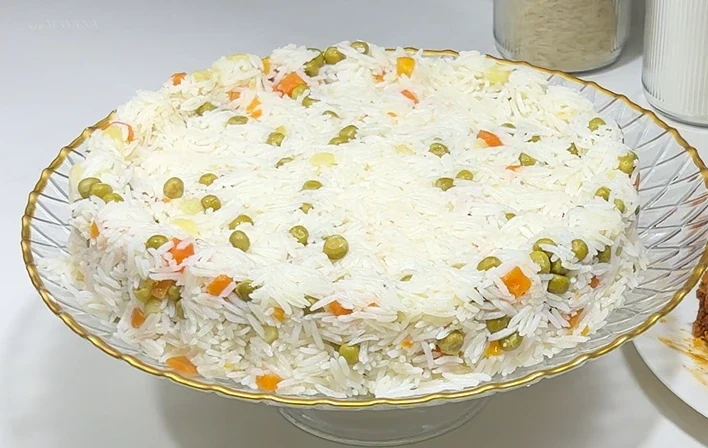
Does Covering Rice with a Towel While Resting Really Work?
Placing a clean towel under the lid while rice rests can absorb excess condensation and help the grains stay drier and separate.
Quick Answer
Yes, when used correctly. A clean, odor-free kitchen towel can absorb condensation that forms under the lid while the rice rests, reducing the amount of water that drips back onto the rice. This helps prevent the surface from becoming too wet, especially when you want separate grains. However, a towel cannot correct an incorrect water ratio or overcooked rice on its own.
In This Guide
Key Reasons
-
After the rice is removed from the heat, the temperature in the pot continues producing steam for a while. As the lid cools, some of that steam condenses into droplets. If the droplets fall back onto the rice, the grains—especially those on the surface—can become unnecessarily moist and more likely to stick together.
-
A towel placed between the lid and the pot absorbs some of this condensation and reduces dripping. For this reason, the method can make a small but meaningful difference while properly cooked rice rests. The greatest effect comes when it is combined with the correct rice-to-water ratio, suitable heat, and enough resting time after the heat is turned off.
Proper Application
- Make sure the rice has fully absorbed the liquid, then turn off the heat.
- Place a clean, dry, thin cotton towel that has no perfume or detergent smell over the pot without letting it touch the rim.
- Put the lid over the towel, making sure no part of the towel hangs down toward the burner flame or hot heating element.
- Let the rice rest for approximately 10–15 minutes.
- Remove the towel, gently fluff the rice from the bottom up without crushing it, and serve after letting it rest uncovered for 2–3 minutes.
Common Mistakes
Using the towel while the rice is cooking
Why it causes problems: A towel can trap excessive steam during active cooking, create a safety risk, and unnecessarily affect the water balance.
Correct use: Use the towel during the resting period after the heat has been turned off.
Using a wet or scented towel
Why it causes problems: A wet towel may add moisture instead of absorbing condensation, and detergent odors can transfer to the rice.
Correct use: Choose a clean, completely dry, odor-free cotton towel.
Assuming the water ratio no longer matters when using a towel
Why it causes problems: The basic problem with rice cooked in too much water occurs during cooking; a towel cannot completely reverse it.
Correct use: First, adjust the water ratio and cooking time to suit the type of rice.
Mayana's Recommendation
Mayana tip: If your rice is already cooking up with separate grains, using a towel is not essential. Try this method especially with pots that collect a lot of water on the lid or rice whose surface is wet at the end of resting. Instead of using a towel, you can also carefully wipe excess water from the inside of the lid and put it back in place; this can serve a similar purpose.
Additional Information
When using a towel, do not let the fabric hang outside the pot and touch the heat. Whether you use an electric or gas stove, it is important for safety that the towel does not touch hot surfaces, even if the pot has been removed from the burner.
Frequently Asked Questions
How long should the towel stay on the rice while it rests?
Usually, 10–15 minutes after turning off the heat is enough. The time may vary by a few minutes depending on the amount of rice and how well the pot retains heat.
Can you use a paper towel?
Even if you choose a heat-resistant product that will not fall apart, a kitchen towel is the more controlled option. The material used must not touch the rice or hang down onto a hot surface.
Can a towel fix mushy rice?
No. It cannot completely fix rice that has become mushy because of too much water or overcooking; it mainly reduces condensation dripping back onto the rice while it rests.
Other Kitchen Tips in the Mayana Tips Category
Access the other explanations, tips, and practical information published in the Mayana Tips section from a single screen.