Lasagna Recipe
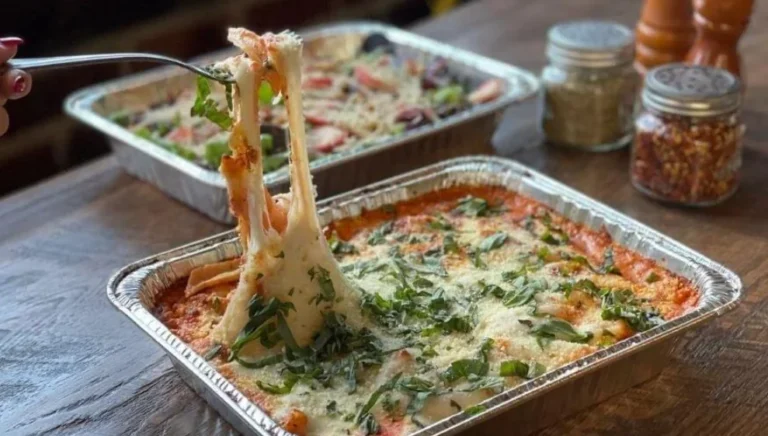
Layered lasagna with beef-tomato sauce, béchamel, mozzarella, and Parmesan, baked until bubbling and golden at the edges.
Build Flavor in Every Layer
Cook the beef sauce until it thickens, and whisk the béchamel gradually so it becomes smooth. Assemble in the stated order, finishing with béchamel and cheese for an evenly browned top. Bake at 180°C until the sheets are easy to pierce, the edges bubble, and the top is browned. Rest the lasagna for 15–20 minutes before slicing so the moisture and structure can settle.
- Yield
- 1 large baking dish
- Servings
- 8 servings
- Total time
- 1 hr 25 min
- Difficulty
- Medium
- Prep time
- 40 min
- Cook time
- 45 minDinlendirme süresi: At least 15 min, ideally 20 min
Ingredients for Lasagna
Ingredients
How to Make Lasagna
Enlarges the steps and, on supported browsers, helps keep your screen awake.
-
01
Cook the meat sauce
Soften the onion in olive oil, then add the garlic and ground beef and cook until browned. Add the tomato paste, tomato purée, salt, and black pepper, then simmer over low heat for 20 minutes until thickened.
-
02
Make the béchamel
Melt the butter and cook the flour for 1–2 minutes. Gradually whisk in the milk; season with nutmeg once thickened.
-
03
Assemble the layers
Spread a little meat sauce over the bottom of the dish. Repeat the layers of lasagna sheets, meat sauce, béchamel, and cheese; finish with béchamel and cheese.
-
04
Bake the lasagna
Bake at 180°C using conventional top-and-bottom heat for 40–45 minutes, until the top is browned and the edges are bubbling.
-
05
Let it rest
Let it rest for 15–20 minutes before cutting.
Mastery Guide
Review the technical details, common mistakes and correct practices that determine the recipe result.
Critical Tips
Keep the measurements consistent
Small changes to the proportions of the main ingredients affect the texture and consistency.
Best practice: Follow the stated measurements the first time you make the recipe.
Watch for doneness cues
Oven and stovetop power can change the cooking time.
Best practice: Use the visual and texture cues in the recipe, not just the stated time.
Common Mistakes
Overworking the mixture
Overkneading, overmixing, or overcooking can damage the texture.
Best practice: Stop when the recipe step reaches the stated doneness cue.
Relying only on the clock
Differences in equipment can change the actual cooking time.
Best practice: Watch the color, texture, and interior structure together.
Why Does This Happen?
Why does the texture change?
Heat, moisture, and mechanical handling directly change the structure of the ingredients.
Best practice: Use the same pan or mold size and a similar heat setting.
Why is resting important?
For recipes that call for it, resting helps balance the moisture and structure inside.
Best practice: If specified, complete the minimum resting time.
Mayana Tips
Set up your ingredients
Measuring the ingredients in advance prevents delays at critical stages.
Best practice: Prepare all the ingredients before turning on the stovetop or oven.
Plan the serving time
Some recipes are best served hot, while others improve after resting.
Best practice: Follow the serving and resting time given in the final step.
Ingredients & Measurements
Pay attention to ingredient temperature
Ingredients that are too cold or too hot can change the texture of the mixture.
Best practice: Follow the specified temperature if the recipe gives one.
Keep the unit of measurement unchanged
Volume conversions can cause discrepancies, especially for flour and liquids.
Best practice: If possible, weigh the main ingredients given in grams or ml.
Cooking Techniques
Preheat to the Right Temperature
Starting before the oven or pan is hot enough can change the cooking time and texture.
Best practice: Preheat the cooking equipment at the stage specified in the recipe.
Check Doneness Using Multiple Cues
Time alone does not produce the same result in every kitchen.
Best practice: Use the cooking time together with checks for color, consistency, and the interior texture.
How to Store and Make Lasagna Ahead
- Serving temperature
Serve fresh, as appropriate for the dish.
- Best resting time
Rest or cool for 15 minutes before serving.
- Refrigerator storage
Store leftovers in an airtight container in the refrigerator for up to 3 days.
- Room-temperature limit
Do not leave the lasagna at room temperature for an extended period; refrigerate it after serving.
- Freezing
Freeze in suitable portions, wrapped airtight; note that the texture may change.
- Thawing method
Thaw in the refrigerator.
- Reheating
If suitable, reheat over low to medium heat only until serving temperature.
- Make-ahead steps
Measure and prepare the ingredients ahead of time; complete the final cooking stage close to serving to maintain quality.
- Serving suggestion
Follow the recipe’s final resting and serving instructions.
Frequently Asked Questions About Lasagna
Can the measurements in a lasagna recipe be changed?
For the most reliable result the first time, keep the main ingredient ratios unchanged; if you make a change, adjust only one component at a time.
Why might lasagna not have the desired consistency?
The most common causes are inaccurate measurements, the wrong equipment size, insufficient preheating, or cooking for too long or too briefly.
Can lasagna be prepared ahead of time?
Part of the preparation can be done ahead; complete the storage and final cooking steps according to the recipe's temperature and cooking time.
How should lasagna be stored?
Once it has cooled to a suitable serving temperature, store it in a covered container in the refrigerator and, if possible, eat it within 3 days.
You may also like