
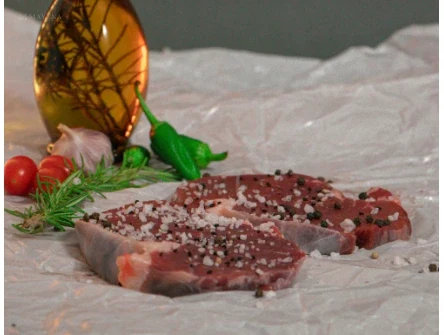
What Is the Right Oil, Acid and Spice Ratio for Meat Marinades?
There is no single universal marinade ratio; for 500 g of meat, approximately 30 ml oil, 10–15 ml acid and measured spices are a safe starting point.
Quick Answer
There is no single fixed oil-to-acid-to-spice ratio for meat marinades. In a home kitchen, approximately 2 tablespoons oil, 2–3 teaspoons to 1 tablespoon acid, and 1–2 teaspoons total dry spices are a good starting point for 500 g of meat. More acid does not mean a better marinade; too much acid over too long a time can damage the meat’s surface texture.
In This Guide
Key Reasons
For this reason, adjust the proportions to suit the cut and marinating time. Use less acid and a shorter marinating time for thin slices; larger, sturdier cuts can take a longer but controlled marinade. In highly acidic mixtures, the surface can become soft, spongy or stringy as the marinating time increases.
| For 500 g of meat | Starting amount | Function |
|---|---|---|
| Oil | 30 ml, approximately 2 tablespoons | Surface coverage, aroma and browning |
| Acid | 10–15 ml, approximately 2–3 teaspoons to 1 tablespoon | Flavor and surface texture |
| Dry spices | 1–2 teaspoons total | Aromatics |
| Salt | Approximately 4–5 g | Effect on flavor and proteins |
Proper Application
- Cut the 500 g of meat into pieces of equal thickness.
- Mix 30 ml olive oil or neutral oil with 10–15 ml lemon juice, vinegar or a similar acid.
- Add 1–2 teaspoons of dry spices in total. With very hot, heavily smoked or strongly flavored spices, start with the smaller amount.
- Add approximately 4–5 g salt; if you use a ready-made sauce, account for the salt it contains.
- Coat the meat with the mixture and marinate it in a covered container in the refrigerator. A few hours is often enough for thin slices; do not unnecessarily extend the time for strongly acidic mixtures.
- Scrape off excess marinade before cooking, especially any garlic or sugary pieces that could burn over high heat.
Common Mistakes
Using too much acid
Why it causes problems: Too much acid and a long marinating time can break down the meat’s surface excessively, creating a spongy or stringy texture.
Correct use: Start with around 10–15 ml for 500 g of meat and adjust the time to suit the cut.
Leaving the marinade at room temperature
Why it causes problems: Leaving raw meat outside a safe cold chain increases the risk of foodborne illness.
Correct use: Marinate the meat in a covered container in the refrigerator.
Using marinade that has touched raw meat directly as a sauce
Why it causes problems: Microorganisms can pass from the raw meat into the marinade.
Correct use: Set some marinade aside for the sauce from the start, or do not serve used marinade without boiling it safely first.
Mayana's Recommendation
Mayana tip: Do not build a marinade around the idea that more acid means more tenderness. Keep the oil and salt balanced first, and use acid carefully, especially with thin steaks, lamb skewers and chicken breast. With yogurt-based marinades, adding a large amount of lemon or vinegar as well is often unnecessary.
Additional Information
USDA sources recommend marinating meat and poultry in the refrigerator, not on the counter. If you plan to reuse marinade that has touched raw meat, you must boil it properly. Very long marinating times, especially beyond two days, can damage the texture.
Frequently Asked Questions
How much oil should you use for 500 grams of meat?
As a starting point, approximately 30 ml, or 2 tablespoons, of oil is enough for most home marinades.
How much lemon juice or vinegar should you add to a marinade?
Starting with approximately 10–15 ml for 500 g of meat is a balanced choice. If the cut is thin and the marinating time is long, using less acid is safer.
How many hours should meat be marinated?
It depends on the cut and the strength of the marinade. Many recipes call for 6–24 hours; a few hours is often enough for thin cuts and acidic marinades.
More Kitchen Information in the Ingredients and Measurements Category
Find explanations, tips, and practical information published in the Ingredients and Measurements section, all in one place.